The Official Website of TPG Conanicut Marina

Close

A Waterfront With History

The Story of East Ferry Wharf and Conanicut Marina


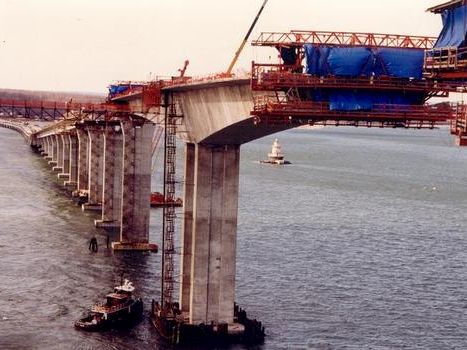
For more than three centuries, the waterfront now occupied by Conanicut Marina has served as one of Jamestown's most important connections to Narragansett Bay. Long before modern marinas, recreational boating, or the construction of the Newport and Jamestown bridges, East Ferry Wharf was the primary gateway between Conanicut Island and the rest of Rhode Island.

The history of this shoreline mirrors the history of Jamestown itself, evolving from a colonial ferry landing into one of Narragansett Bay's most recognizable marina destinations.
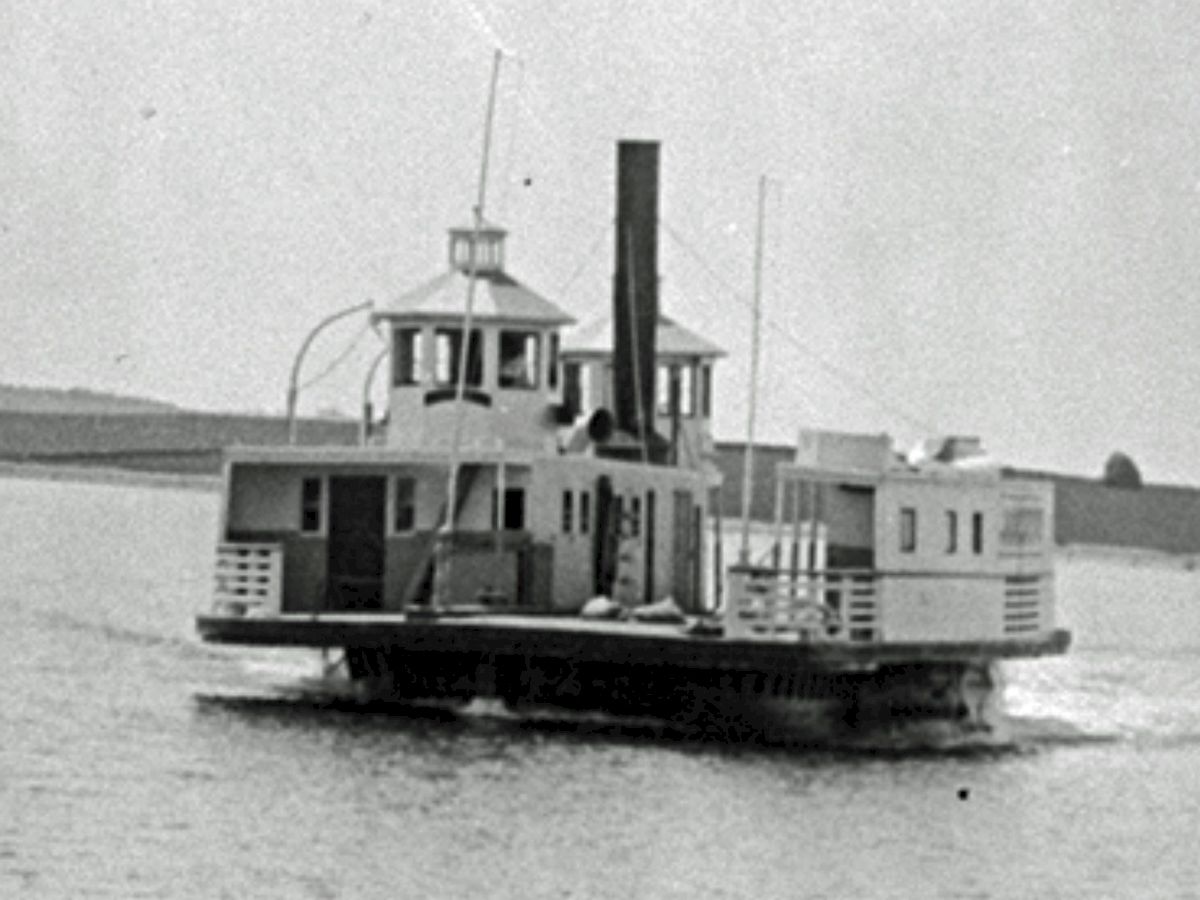
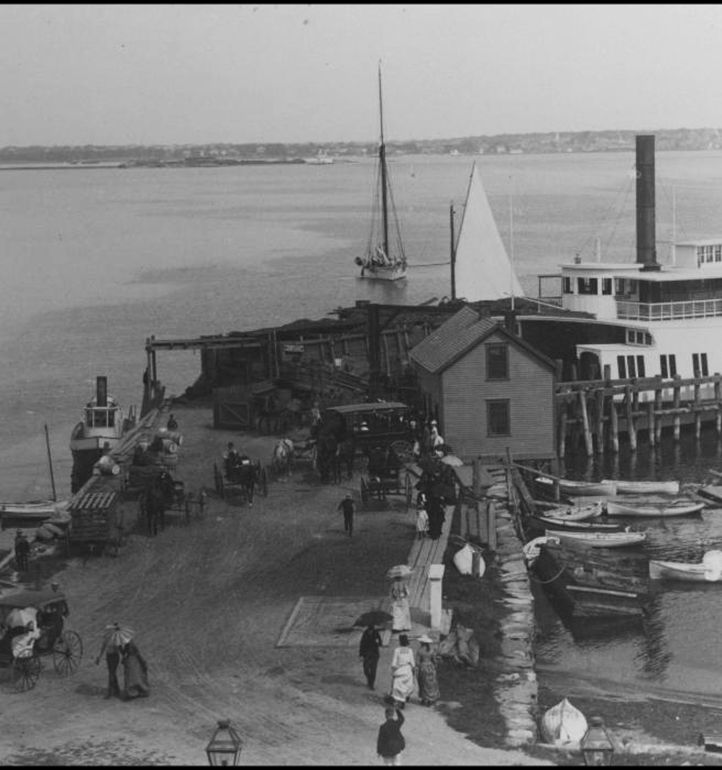
EAST FERRY WHARF

Colonial Beginnings

Ferry service between Jamestown and Newport dates back to the early eighteenth century. By the 1720s, regular ferry operations were carrying residents, livestock, goods, mail, and travelers across the East Passage of Narragansett Bay.

At the time, Conanicut Island was largely agricultural, and ferry transportation was essential to daily life. East Ferry quickly became the island's primary connection to Newport, then one of the busiest ports in colonial America.

For generations, nearly everyone arriving on or departing from Conanicut Island passed through this waterfront.

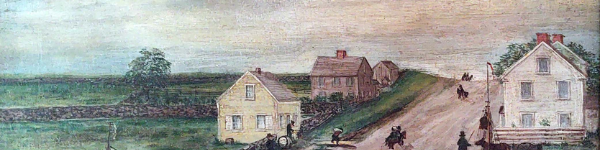
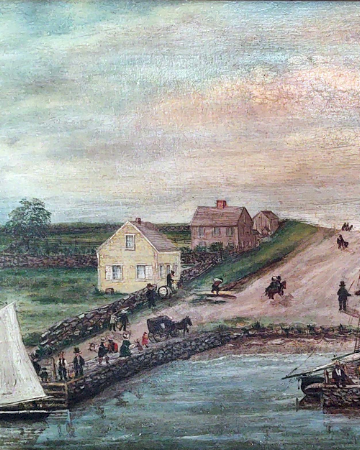
A coastal scene with small houses near a shore, a dock, sailboat on the water, people and horses along a road, and a calm seascape.

East Ferry During the Revolutionary Era

The strategic location of Conanicut Island placed East Ferry at the center of events during the American Revolution.

In December 1776, British forces occupied Newport and the surrounding islands, including Jamestown. The island remained under British control for several years, disrupting daily life and ferry operations throughout the region.

The East Ferry landing served as an important transportation and military access point due to its location between Newport and mainland Rhode Island. The occupation left lasting impacts on the island and its residents, many of whom fled during the conflict.

Following the war, ferry service resumed and East Ferry once again became the center of transportation and commerce for the community.


Preserving a Maritime Legacy

Although the East Ferry waterfront has changed significantly over the centuries, its role within the community remains unchanged.

For generations, this shoreline has welcomed travelers, supported local commerce, connected communities, and provided access to the waters of Narragansett Bay.

Today, visitors arriving at Conanicut Marina stand on the same historic waterfront that once welcomed colonial ferries, steamships, merchants, island residents, and generations of travelers making their way across the bay.

The story of East Ferry Wharf continues to be written, carrying forward a maritime legacy that has shaped Jamestown for more than 300 years.


Discover the Waterfront Today

Whether you're arriving for an overnight stay, exploring the harbor, or learning about Jamestown's rich maritime history, Conanicut Marina offers a unique opportunity to experience a waterfront that has connected people to Narragansett Bay for centuries.

We invite you to visit, explore, and become part of the next chapter in the story of East Ferry Wharf.